

Commercial Disruption Alert - 10 Sept 2026 - East Asian Ports
Repeated typhoons disrupt East Asian ports, delaying vessels and weakening schedule reliability.
Repeated typhoons disrupt East Asian ports, delaying vessels and weakening schedule reliability.

Mundra strike ends, but container backlogs and logistics disruption may persist temporarily.
Dover protest blockades expose freight vulnerability across critical UK Channel port access
Topic
Analysis, reports and commentary from Power & Corridors connected to this topic.

China’s scheduled Arctic service transforms seasonal access into a developing logistics network.
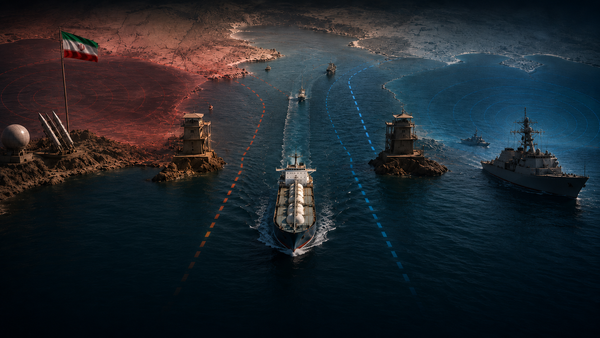
Hormuz remains open, but control, revenue and authority are now contested.

Weaponising Hormuz accelerates alternative corridors, gradually eroding Iran’s greatest strategic leverage.

Jones Act waivers expose America’s deeper maritime capacity and shipbuilding weakness.

China’s Arctic presence is shifting from scientific access to strategic influence.
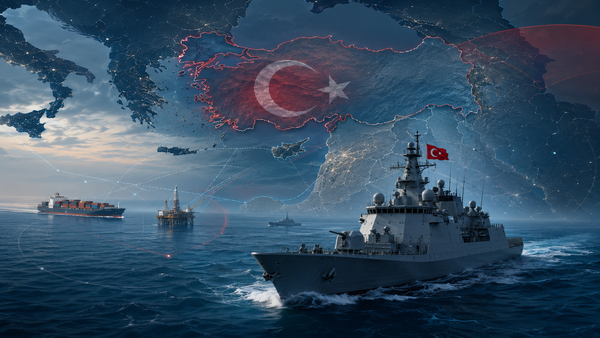
Türkiye’s Blue Homeland doctrine turns maritime geography into strategic power projection.

Canada must build strategic corridors, not simply surrender to US economic gravity.

As El Niño risk returns, Panama is trying to secure the canal’s future. But the fight over the Rio Indio reservoir shows that global trade resilience may come at a local human cost.

The US-Iran memorandum may ease immediate pressure, but renewed uncertainty around the Strait of Hormuz and Israel-Hezbollah exchanges shows that resilience, not normalisation, is now the central issue.

DP World’s Corpus Christi move signals Gulf logistics capital returning to strategic US port infrastructure.

Coast guards now shape Indo-Pacific power before navies enter the fight.

Hormuz may reopen, but nuclear, proxy and maritime risks remain unresolved.