

Commercial Disruption Alert - 10 Sept 2026 - East Asian Ports
Repeated typhoons disrupt East Asian ports, delaying vessels and weakening schedule reliability.
Repeated typhoons disrupt East Asian ports, delaying vessels and weakening schedule reliability.

Mundra strike ends, but container backlogs and logistics disruption may persist temporarily.
Dover protest blockades expose freight vulnerability across critical UK Channel port access
Topic
Analysis, reports and commentary from Power & Corridors connected to this topic.

Samsung’s CMA CGM claim highlights expanding carrier liability across increasingly integrated global logistics chains.

Bharat Container Shipping Line is part of a wider push into shipbuilding, container manufacturing and inland logistics.

Why an obscure law of naval warfare could reshape sanctions, shadow fleets and maritime ownership

New Delhi is trying to bring transhipment cargo back to Indian ports. Galathea Bay, Vizhinjam and a new national container line suggest India is also trying to gain greater influence over the infrastructure, vessels and networks through which that cargo moves.
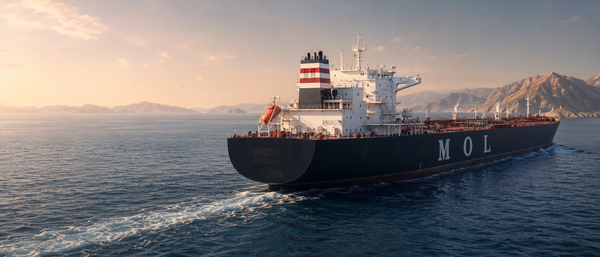
MOL warns Hormuz shipping disruption may persist through year-end as commercial confidence remains severely constrained.
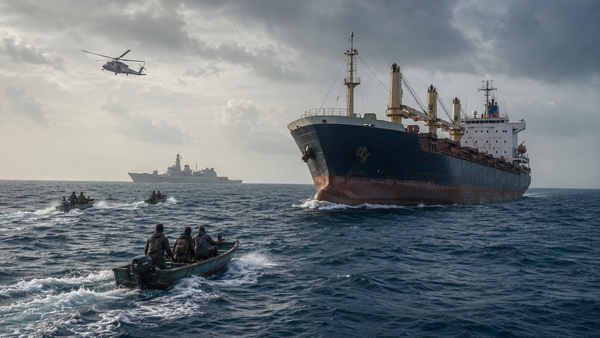
Somali piracy’s resurgence is drawing navies back into sustained counter-piracy operations and surveillance.

A Russian research vessel was not seized for sanctions violations. Its detention in Svalbard points to a different maritime risk: ships becoming recoverable assets in the enforcement of international judgments.
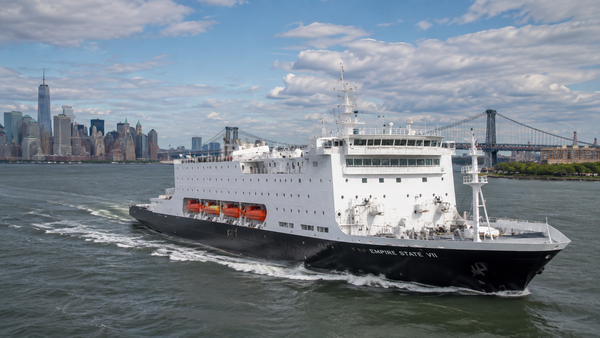
US activates civilian maritime academy ship for classified mission, raising questions over logistics capacity and purpose.

The boarding of the tanker SUN shows why following maritime movement is no longer enough. Increasingly, analysts also need to establish whether the legal identity moving across the map is real.

US strikes and Iranian retaliation raise maritime and regional escalation risks around Hormuz.

Hormuz shipping remains suppressed as security risk drives commercial adaptation and uncertainty.

Panama Canal capacity tightens as low rainfall drives congestion and route adaptation.